

Proof-of-Concept Platform for Translational Cancer Research
Preclinical Models
The BZKF “Preclinical Models” flagship initiative was established to improve the previously ineffective transfer of scientific findings into clinical practice. Strong preclinical research—which is conducted at all BZKF locations—plays a key role in this effort.
The goal of the BZKF flagship initiative is to promote translational research within the BZKF. This will be achieved through improved structural frameworks.
Under the leadership of the University Hospital of Würzburg, a highly dynamic network is thus emerging among the BZKF sites, combining research expertise, synergies, and know-how at the highest level while avoiding duplicate structures.
About the BZKF Lecture 2026: Preclinical Models Lighthouse (YouTube recording)
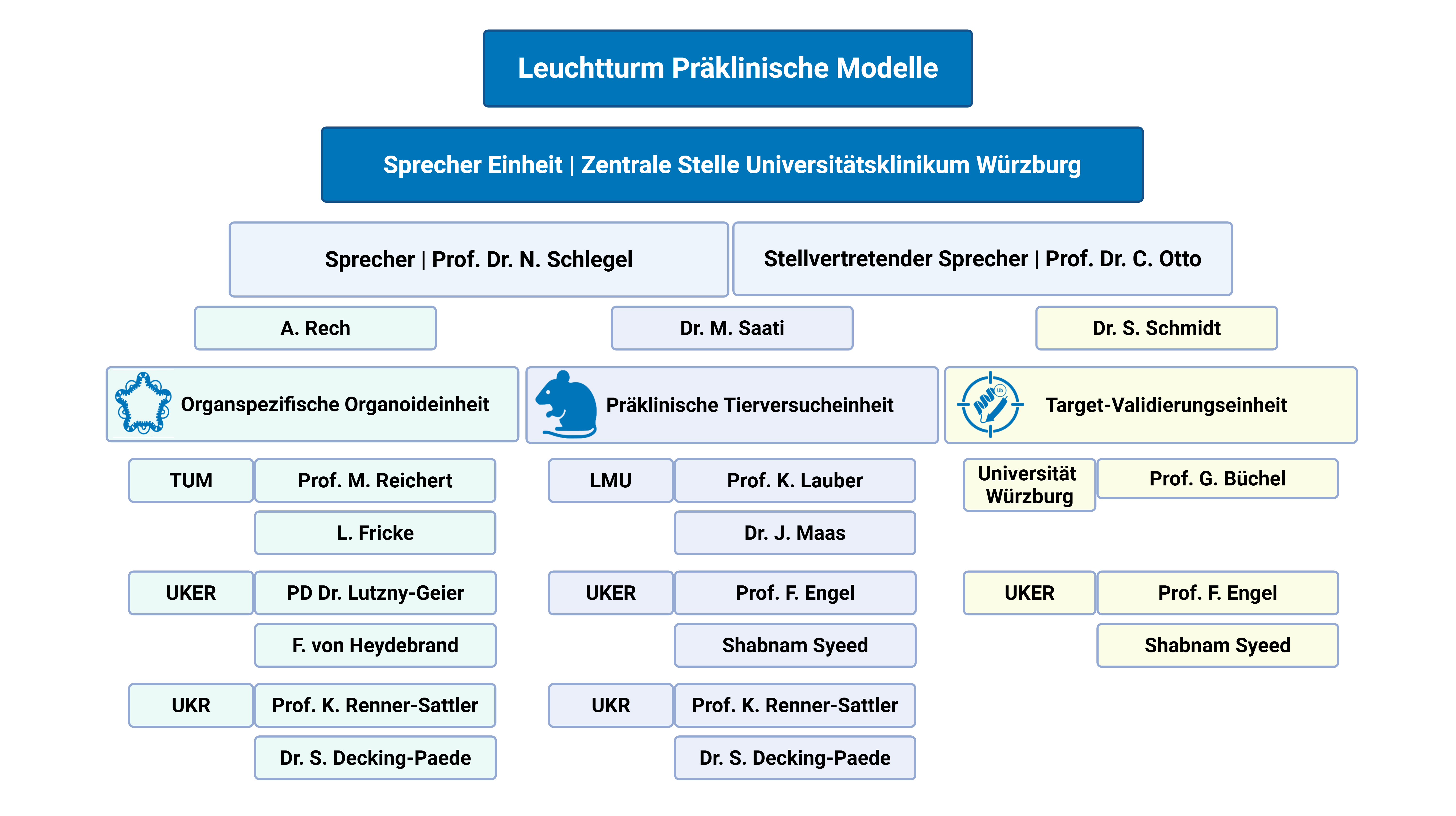
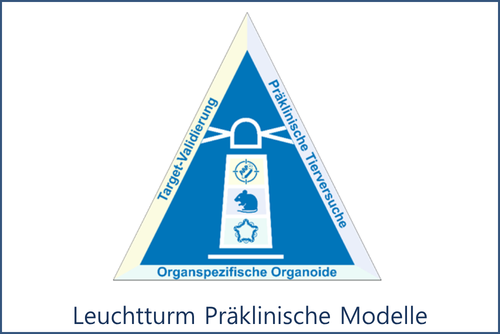
The potential of the BZKF “Preclinical Models” flagship initiative lies in establishing the fundamental structures needed to facilitate the provision, application, and further development of high-quality preclinical models for translational oncology at the BZKF.
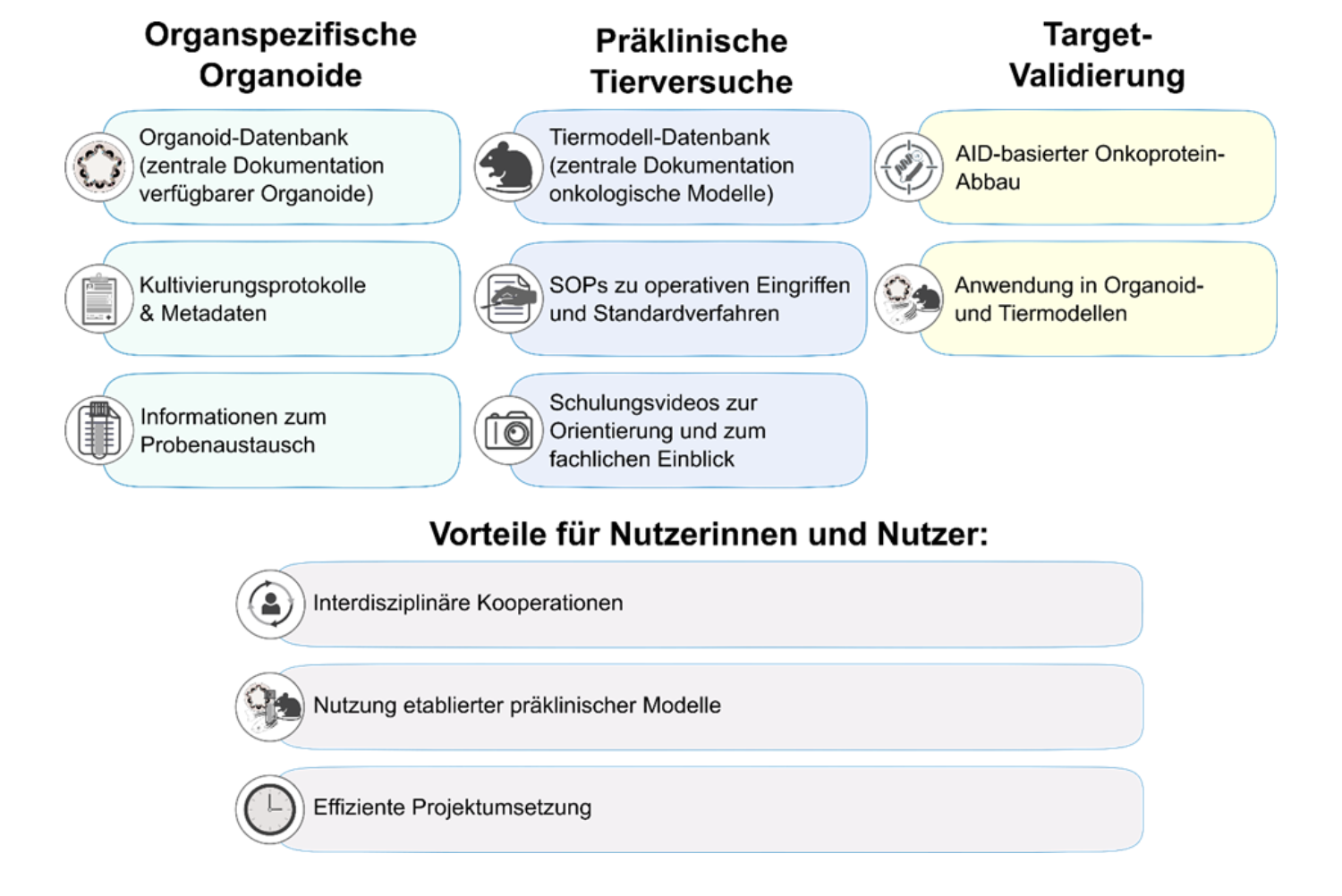
One of the main goals of the flagship is to establish organ-specific organoid (so-called 3D models) units. These central units will enable researchers in the BZKF network to develop and test preclinical models with a level of detail never before seen. The insights gained from this will help bridge the gap between (preclinical) basic science and early clinical application.



Database 2.0
- Harmonization of both RedCap databases regarding organoids and animal models
- Expansion to include murine and inflammatory models
- Standardization and further development
Web-based platform
- Clear presentation of information and user-friendly search function
- Information on Database 2.0, SOPs, training videos, and target validation
SOPs
- Creation, coordination, and provision
Target validation
- AID technology in various model systems
Visibility
- Current, Monthly Newsletter

Consolidation and Further Development of the Lighthouse
Continuous establishment of organoids from various sources, accompanied by molecular and clinical data
Detailed descriptions of standard operating procedures for surgery and laboratory animal care
Establishment of a site-wide working group for the development and updating of SOPs in the field of animal experimentation
Design, production, and integration of training videos for orientation and technical insight
Establishment of the AID technique in various model systems for prescreening the human system

Continuous optimization, standardization, and expansion of the database's content
Establishing the database as a permanent and widely used platform for exchange and networking among scientists, which is continuously expanded and further developed
Access to organoids for the development of innovative, personalized therapeutic approaches
Development of SOPs for surgical procedures and standard non-surgical procedures
Establishment of the AID technique as an innovative screening tool in various model systems (organoids, mice, zebrafish)

Spokesperson: Prof. Nicolas Schlegel, University Hospital Würzburg
Deputy Spokesperson: Prof. Christoph Otto, University Hospital Würzburg
If you have any questions about the database, please contact:
Organoid Database: Ms. Anne Rech (Rech_A@ukw.de)
Animal Models Database: Dr. Mahasen Saati (Saati_M@ukw.de)