


Living with and after cancer
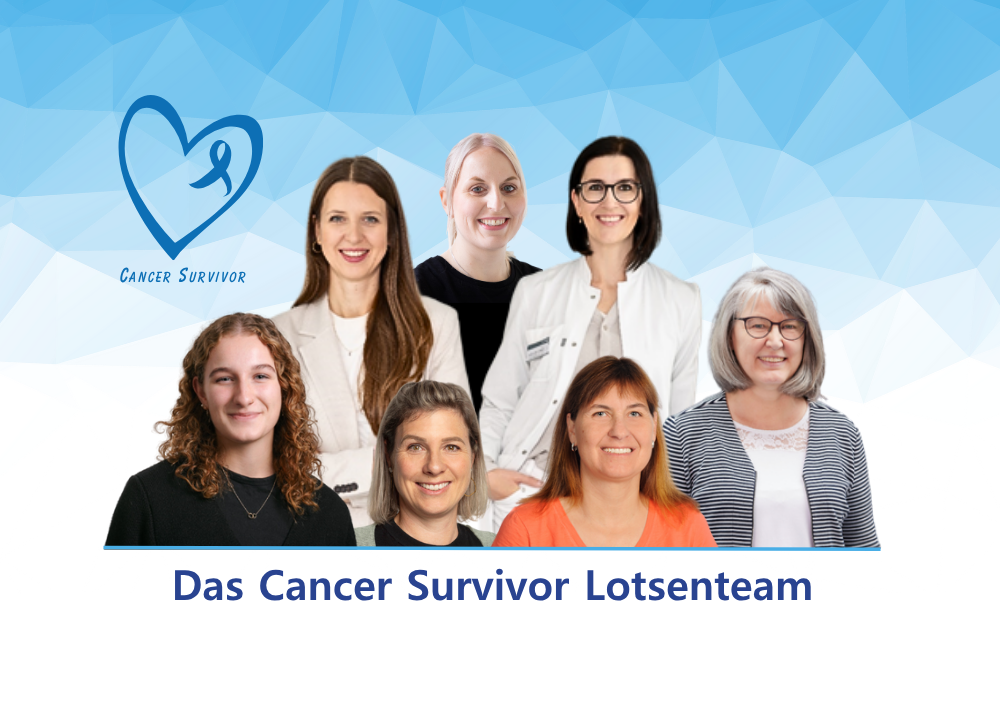
With the new "Cancer Survivor Network", the Bavarian Center for Cancer Research (BZKF) has launched an information and communication platform for cancer survivors that is unique in Bavaria. The aim of the project is to provide long-term support for people who have undergone cancer treatment, to improve their quality of life and to strengthen their health literacy in the long term.
Life after or with cancer often brings with it physical, psychological and social long-term and long-term consequences. Patient representatives have long emphasized the need for a local, low-threshold and professionally sound point of contact for those affected after treatment. The BZKF's new project for cancer survivors, Cancer Survivor, addresses precisely this issue.
Central points of contact and new web platform
With the new "Living with and after cancer" website, the BZKF is bringing together all the information, advice and support services offered by the six Bavarian university hospitals for cancer survivors in one place for the first time. In addition to the specialist outpatient clinics, this also includes the services offered by the facilities for psycho-oncology, nutritional, exercise and complementary medicine consultations, fatigue consultations and a wide range of self-help groups. Patients and relatives from rural regions can therefore also find it easier to access these services via the clear platform.
In addition, fixed contact points will be set up at all BZKF locations. Specially trained "Cancer Survivor Guides" act as competent advisors and personal companions for patients who have completed cancer therapy, especially after new immune or targeted therapy methods, and are permanent contacts for the individual needs of cancer survivors and their relatives. The guides are in direct contact with general practitioners and university specialist centers and form an important bridge between outpatient and university care.
Scientific support and patient participation
The topic of "cancer survivorship" is currently attracting a great deal of attention, not least thanks to the commitment of patient representatives who complain about a lack of competent care after cancer treatment. Those affected often feel left alone with the consequences of the disease or therapy, as even their GPs as primary contacts often reach their capacity limits.
"Our Cancer Survivor Network closes an important gap in care for cancer survivors with long-term and late effects in Bavaria," says Prof. Dr. Andreas Mackensen, Director of the BZKF. "At the Augsburg site, we are pursuing the question of whether we can relieve the burden on GPs by providing individually tailored care plans as part of aftercare with an accompanying scientific project."
Prof. Dr. Michael Schoenberg also expressly welcomes the project: "As a patient representative of the BZKF, I am very pleased that the above-mentioned project is a structural measure that will directly benefit patients at all BZKF locations. It is extremely gratifying that, thanks to successful cancer research, there are more and more long-term cancer survivors. However, it is essential to give long-term survivors a good perspective on life after cancer."
Dr. Jutta Riese, project manager at the University Hospital of Würzburg, emphasizes the aspect of active patient participation: "The idea of providing this new information and advice service was developed together with patients. Patients have described the bundled information on the BZKF website as 'the best offer on the subject'."
The BZKF plans to further expand the network in the coming years and to promote personal networking and support as well as the exchange of experiences among cancer survivors through additional services.