

Collaborative Research Center for Immune Medicine continues to be funded by the DFG
At its meeting on November 19 and 20, 2025, the German Research Foundation (DFG) decided to continue funding the Collaborative Research Center (SFB) SFB/Transregio 221 - Control of graft versus host and graft versus leukemia immune responses after allogeneic stem cell transplantation (immune medicine) - located at the University of Regensburg and the University Hospital Regensburg (UKR) in the coming years. This decision is an impressive confirmation of the exceptional performance of Regensburg's collaborative research.
"Today's decision by the DFG is a strong signal of the outstanding quality of Regensburg's research," explained University President Prof. Dr. Udo Hebel. "It emphasizes the excellence of our scientists in various fields and at the same time shows how successfully we are advancing central future fields of the university. The extension of three collaborative research centers strengthens our international visibility and impressively demonstrates the great importance of collaborative research for the further development of the University of Regensburg."
For Transregio 221 (TRR 221) "Control of graft-versus-host and graft-versus-leukemia immune responses after allogeneic stem cell transplantation", this is already the second extension of funding for a further four years. In this third funding period, the research network of the Universities of Regensburg, Erlangen-Nuremberg and Würzburg and the university hospitals there will receive 15 million euros in funding. The DFG's decision follows the vote of the international experts who had previously given the CRC TRR 221 a positive review.
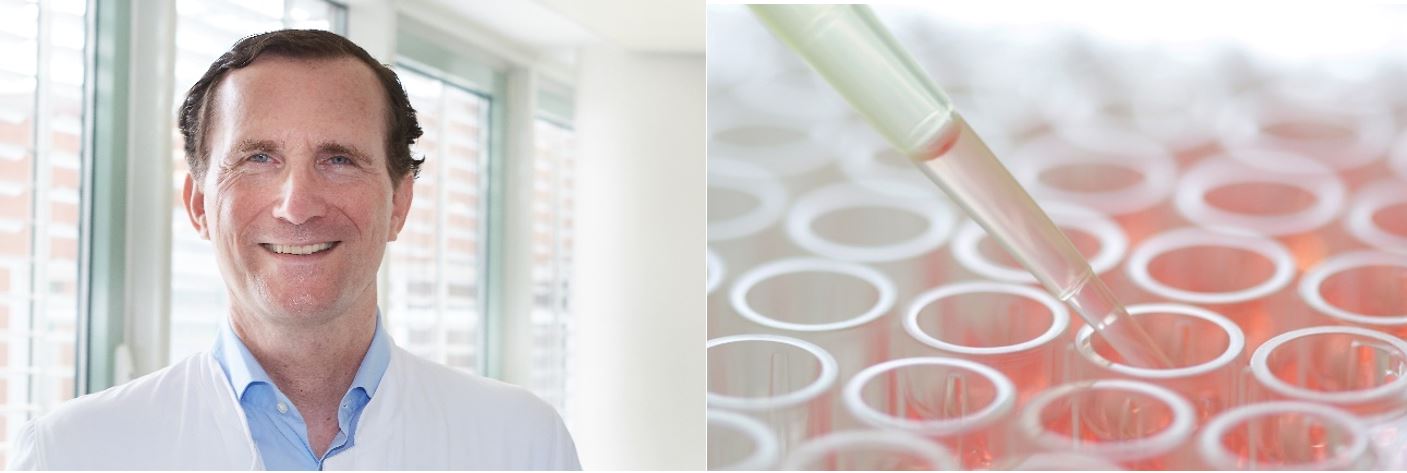
"The extension of funding for a third period shows how successful research in the field of stem cell transplantation and cell therapy has been to date. Now we want to further investigate our newly developed immunomedical strategies in the network of CRC projects and prepare the most promising approaches for clinical testing," says Professor Dr. Wolfgang Herr, Director of the Clinic and Polyclinic for Internal Medicine III at the UKR and main applicant and spokesperson for CRC/Transregio 221.
For University President Professor Dr. Udo Hebel, the success of the Regensburg scientists is proof of the outstanding research work of the researchers involved in the CRC: "Excellent work is being done in the field of immune medicine and the renewed extension," says Prof. Hebel, "is proof of scientific excellence and at the same time of the future viability of research in this field. The University of Regensburg is certainly one of the world's leading locations in this field."
About the Transregio 221
The Transregio 221 Collaborative Research Center was established at the beginning of January 2018. Since then, immunologists and scientists from the Universities of Regensburg, Erlangen and Würzburg and the university hospitals there have been researching the unsolved challenges in the treatment of leukemia and lymphoma patients, in particular the complex immunological mechanisms of action of allogeneic blood stem cell transplantation, under the leadership of Prof. Dr. Wolfgang Herr (UKR). Prof. Dr. Andreas Mackensen from the University Hospital Erlangen and Prof. Dr. Hermann Einsele from the University Hospital Würzburg are the deputy directors.
The "allogeneic" blood stem cell transplantation, i.e. the transfer of blood stem cells from a healthy donor, is a possible cure if a leukemia disease does not regress despite chemotherapy or recurs after an initial successful therapy. The effectiveness is based on the fact that the healthy stem cells replace the patient's hematopoiesis and the donor's co-transplanted immune cells destroy any remaining leukemia cells or lymphoma cells. This important achievement of the donor immune system is known as the graft-versus-leukemia effect (GvL). However, the GvL effect is not strong enough in all patients to prevent a relapse of the leukemia or lymphoma. Furthermore, the immunological effects of the donor immune system are not always limited to fighting the leukemia or lymphoma, but can also be directed against the patient's healthy body tissue and then cause graft-versus-host disease (GvHD), in which the skin, liver and intestines in particular are attacked. "The aim of the Collaborative Research Centre is therefore to better understand the immunological mechanisms of transplantation in order to make this therapeutic procedure even safer and more effective," says Prof. Dr. Matthias Edinger, Head of the Regensburg Stem Cell Transplantation Program and Head of the Integrated Research Training Group in the CRC Transregio 221.
Further information on the Collaborative Research Center TRR 221