
Improving the chances of recovery for children and adolescents with high-risk CNS tumors
CNS tumors in children and adolescents study group
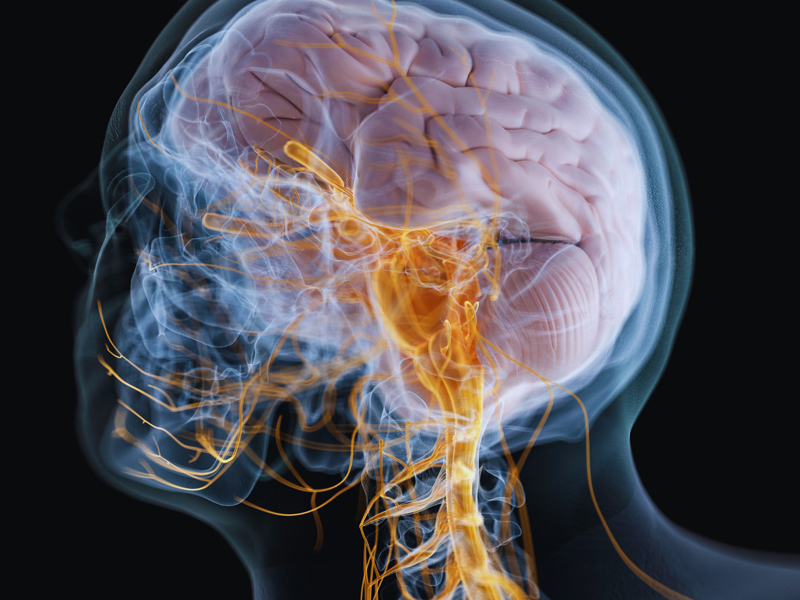
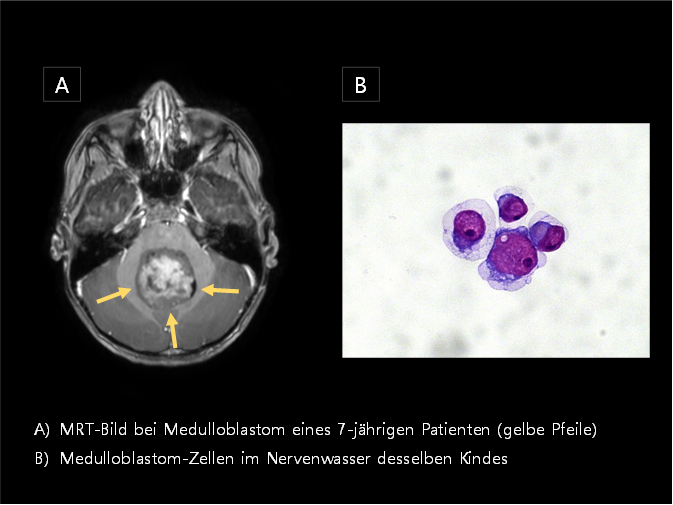
CNS tumors are the most common cause of tumor-related deaths in children and adolescents in this age group. Close therapy monitoring and early detection of relapses are prognostically groundbreaking. In our project, MRI image data of the tumors and genetic markers in the cerebrospinal fluid of affected patients are systematically analyzed in order to be able to make predictions about the response to therapy and to develop new therapies in the long term.
To the press release "BZKF-AYA study: research for the future"

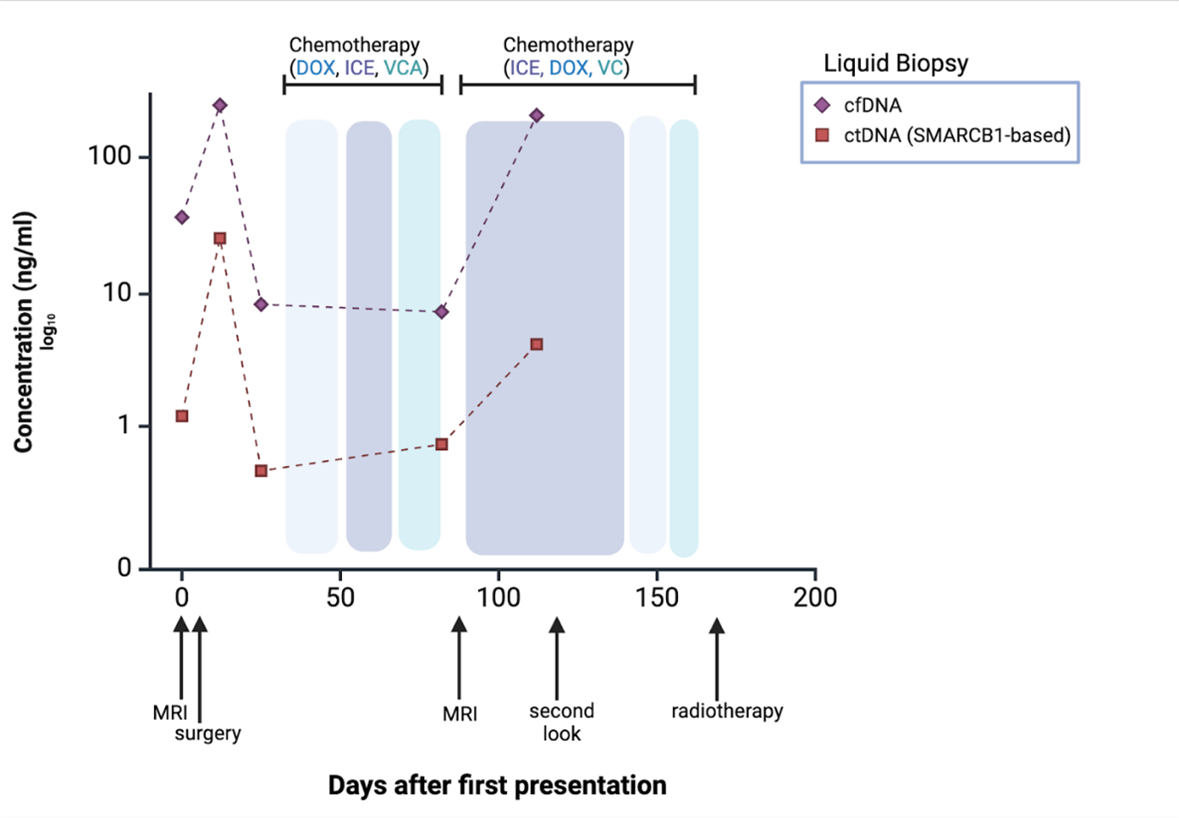
Close therapy monitoring and early detection of relapses of CNS tumors in children and adolescents are extremely important for therapy management. In this age group in particular, the discrepancy between the time-consuming collection of cerebrospinal fluid (CSF), small sample volumes, limited information content of conventional methods and the potential added value of highly sensitive methods fromliquid biopsiesis serious. A key objective of our study group is the implementation of these liquid biopsies in clinical routine. This includes the establishment of diagnostic standards under which such a collection can take place.
The multidisciplinary structures of the BZKF, in particular the study groups on primary and secondary brain tumors and our study group on CNS tumors of childhood and adolescence, provide unique and now well-established structures for visible progress in the innovative use of liquid biopsies in CNS tumors.
Achieved goals:
- In the first phase of the project, more than 50 CSF samples from patients with CNS tumors were collected and analyzed
- Establishment and application of a diagnostic panel for common genetic alterations in the CSF of CNS tumor patients
- Establishment of an AI (aritificial intelligenece) based classification system for childhood CNS tumors (Wiestler et al., 2023 Cancers)

Milestones and goals of the second funding period:
- Linking diagnostic imaging and liquid biopsies
- in a first part of the project, data from both MRI and FET-PET examinations of affected children and adolescents will be collected throughout Bavaria
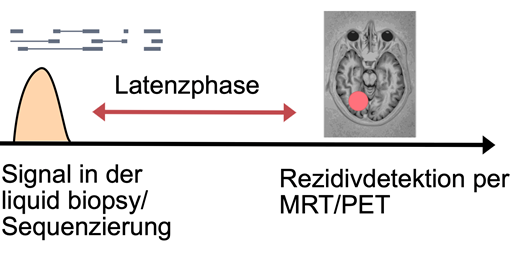
- another part of the project is dedicated to correlating the results from liquid biopsies and imaging. We assume that an incipient recurrence first becomes visible through an increase in biomarkers in the liquid biopsies before it can be detected in MRI (or PET) examinations. From retrospective patient histories, we will determine how long the latency is between these two events
- AI-based studies will be used to investigate the relationship between the size and nature of the tumors examined on the one hand and the neuropsychological functions after the end of therapy on the other.
Overall, the aim is to increasingly use liquid biopsies (and the established models for imaging) as a control instrument in clinical studies.
We continue to collect CSF samples as part of our BZKF project for further research (currently participating institutions: Pediatric Oncology Centers: TU Munich, University Hospitals Würzburg, Regensburg, Augsburg and Erlangen)

- Establishment of a Bavarian network structure for the implementation of innovative, cooperative clinical studies for children and adolescents
- Realization of a first major accompanying diagnostic study on genetic markers in the cerebrospinal fluid of affected children and adolescents
- Laying the foundations for clinical therapy studies in patients with CNS tumors
- Progress in the attractiveness of the network for research-based pharmaceutical companies/academic partners
- Improving the chances of cure for children and adolescents with high-risk CNS tumors

Further study groups
- Acute myeloid leukemia (AML)
- Cancer of Unknown Primary (CUP)
- Endocrine and neuroendocrine tumors
- Head and neck tumors
- Liver carcinoma
- Lung tumors
- Lymphoma
- Malignant melanoma
- Multiple myeloma
- Breast cancer
- Ovarian carcinoma
- Pancreatic carcinoma
- Primary and secondary malignant brain tumors
- Prostate carcinoma
- R/R ALL
- Urothelial carcinoma
- Soft tissue sarcomas