

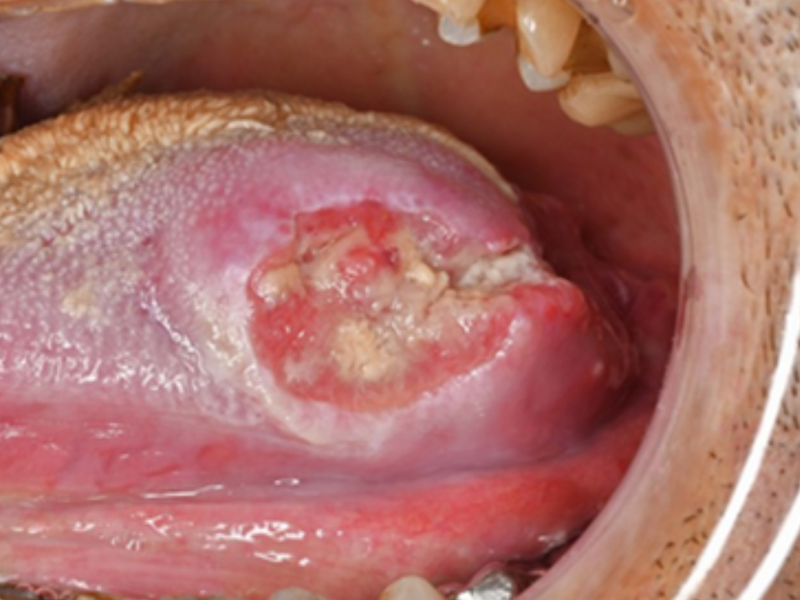
Head and neck oncology arises in a highly complex anatomical region that requires interdisciplinary therapeutic approaches. The most common tumours in this region are also characterized by great molecular-biological heterogeneity. These two prerequisites have led to divergent aspects in the assessment of therapy and success. This makes it difficult and prone to error to evaluate the results of therapy and clinical research. The SG pursues 3 consecutive goals:
- Common database (register)
- Hypothesis generation
- Clinical studies

The milestones for the three WGs are defined for 3, 6, 9 and 12 months:
WG Documentation:
3 M: Definition of the documentation areas (e.g. molecular, clinical)
6 M: Interim evaluation of the items
9 M: Condensation of the parameters into one data set
12 M: Finalization (SG) in the SG
WG material and structure:
3 M: Analysis of local structures (e.g. material collections, biobanking)
6 M: Development of SOPs for material collection
9 M: Study project proposals (together with hypotheses working group) with proposal preparation (e.g. ethics)
12 M: Joint research proposal (SG)
AG Hypotheses and projects:
3 M: Identification of promising fields of research
6 M: Differentiation between short- and long-term project ideas
9 M: Support of the Material and Structure WG for the biomarker application
12 M: Prospective applications (SG)


Further study groups
- Acute myeloid leukemia (AML)
- Cancer of Unknown Primary (CUP)
- Endocrine and neuroendocrine tumors
- Liver carcinoma
- Lung tumors
- Lymphoma
- Malignant melanoma
- Multiple myeloma
- Breast cancer
- Ovarian carcinoma
- Pancreatic carcinoma
- Primary and secondary malignant brain tumors
- Prostate carcinoma
- R/R ALL
- Urothelial carcinoma
- Soft tissue sarcomas
- CNS tumors in children and adolescents